
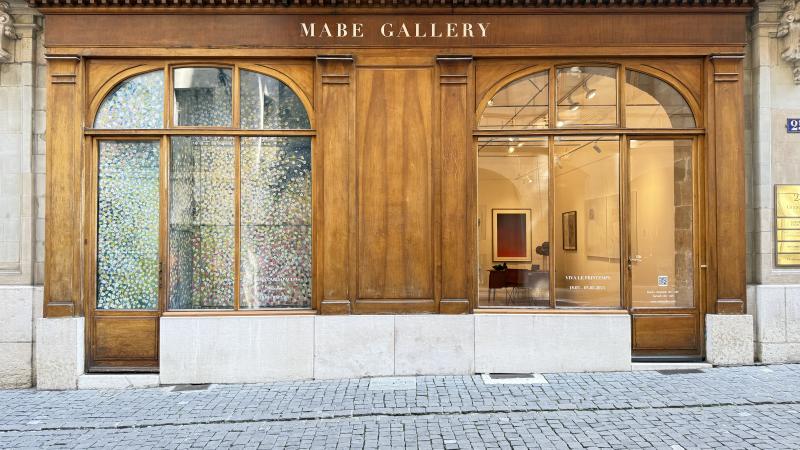
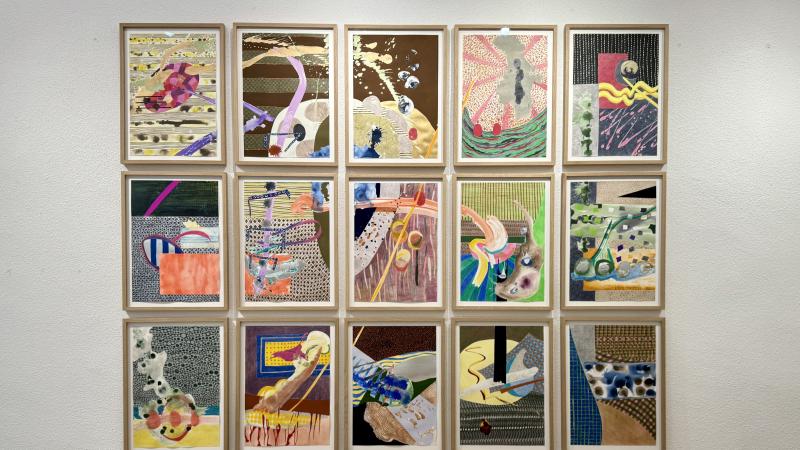
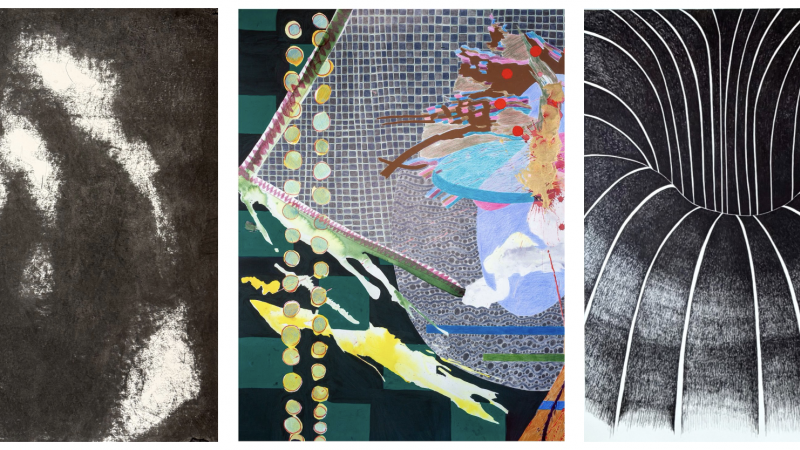
Fondée en 2023 par Marine de Rougé, la galerie MABE est née d’une volonté profonde : soutenir la création contemporaine et offrir une scène à des artistes qu’elle suit avec passion. Nichée au cœur de la vieille ville de Genève, la galerie propose un écrin singulier, à la fois chaleureux et épuré, où le regard peut pleinement se poser sur les œuvres. MABE Gallery incarne une approche sincère de l’art contemporain — accessible, engagée, et attentive à l’authenticité de la rencontre entre l’artiste, l’œuvre et le visiteur.
Founded in 2023 by Marine de Rougé, MABE Gallery was born from a deep desire to support contemporary creation and to champion artists she follows with genuine passion. Nestled in the heart of Geneva’s historic Old Town, the gallery offers a unique and intimate setting where artworks can be experienced in their full presence. MABE embraces a sincere approach to contemporary art — accessible, thoughtful, and rooted in the authenticity of the encounter between artist, artwork, and viewer.
https://www.artageneve.com/article/mabe-gallery-viva-le-printemps
https://www.artageneve.com/article/mabe-gallery-lignes-de-pensee
Exposition
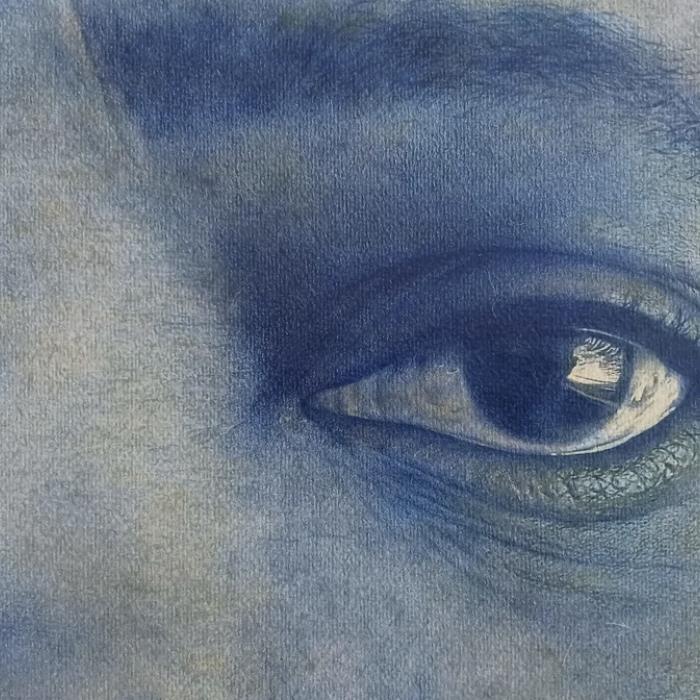
« Fragiles » est une invitation à regarder de très près ce que l’on préfère souvent ne pas voir, et à y trouver, contre toute attente, une force.
L’exposition « Fragiles » réunit l’œuvre de Gisèle Bonin, dont la pratique explore depuis plus de dix ans les notions de fragment, de mémoire et d’intimité arrachée. Dessin, photographie et installation s’y croisent : des médiums au service de ce qui échappe aux mots, des trajectoires individuelles et des récits laissés en marge.
Née en 1975 à Clermont-Ferrand, Gisèle Bonin est diplômée de l’École des Beaux-Arts d’Angers. Son parcours est nourri par de nombreuses expositions et collaborations institutionnelles. Son travail a notamment été présenté au Musée des Beaux-Arts d’Angers et figure dans plusieurs collections publiques. Son dialogue avec la littérature occupe également une place importante dans sa pratique, notamment à travers deux livres d’artiste réalisés avec Michel Butor.
L’artiste s’est longtemps refusée à situer son travail, préférant l’anonymat de ses modèles à toute narration. Pour la première fois, elle l’ancre dans son contexte d’origine : celui de son engagement bénévole auprès du REDA, réseau d’entraide des demandeurs d’asile d’Angers.
Un œil. Une main. La plante d’un pied. Jamais un visage entier, jamais un nom. Dans ces fragments démesurément monumentaux ou réduits à la taille d’un timbre, l’artiste ne cherche pas à représenter : elle cherche à faire place. Place à la mémoire, aux histoires tues, aux vies trouées. Par le grain du papier et la lenteur du geste, elle construit un langage où chaque fragment de corps devient le lieu d’une présence à la fois pudique et bouleversante. Une fragilité qui résiste, une présence qui s’impose par ce qu’elle ne montre pas.
--
"Fragiles" is an invitation to look closely at what we often prefer not to see, and to discover, against all expectations, a form of strength.
The exhibition Fragiles brings together works by Gisèle Bonin, whose practice has explored notions of fragmentation, memory and disrupted intimacy for over a decade. Drawing, photography and installation intersect throughout her work: mediums through which she gives form to what escapes words, to individual trajectories and stories often left at the margins.
Born in Clermont-Ferrand in 1975, Gisèle Bonin graduated from the École des Beaux-Arts d’Angers. Her artistic career has been shaped by numerous exhibitions and institutional collaborations. Her work has notably been presented at the Musée des Beaux-Arts d’Angers and is held in several public collections. Her dialogue with literature also occupies an important place in her practice, notably through two artist’s books created with Michel Butor.
For many years, Bonin deliberately refrained from situating her work within a specific context, favouring the anonymity of her subjects over any explicit narrative. For the first time, she now anchors it in its original context: her voluntary work with REDA, a support network for asylum seekers in Angers.
An eye. A hand. The sole of a foot. Never an entire face, never a name. Through fragments that are either monumentally enlarged or reduced to the size of a postage stamp, the artist does not seek to represent: she seeks to make space. Space for memory, for untold stories, for lives marked by rupture. Through the grain of the paper and the slowness of her gesture, she constructs a language in which each fragment of the body becomes the site of a presence that is both restrained and deeply affecting. A fragility that resists; a presence that asserts itself through what remains unseen.